Köklü Geleneklerden Modern Sofralara Sızma Zeytinyağı Soğuk Sıkımı

Köklü Geleneklerden Modern Sofralara
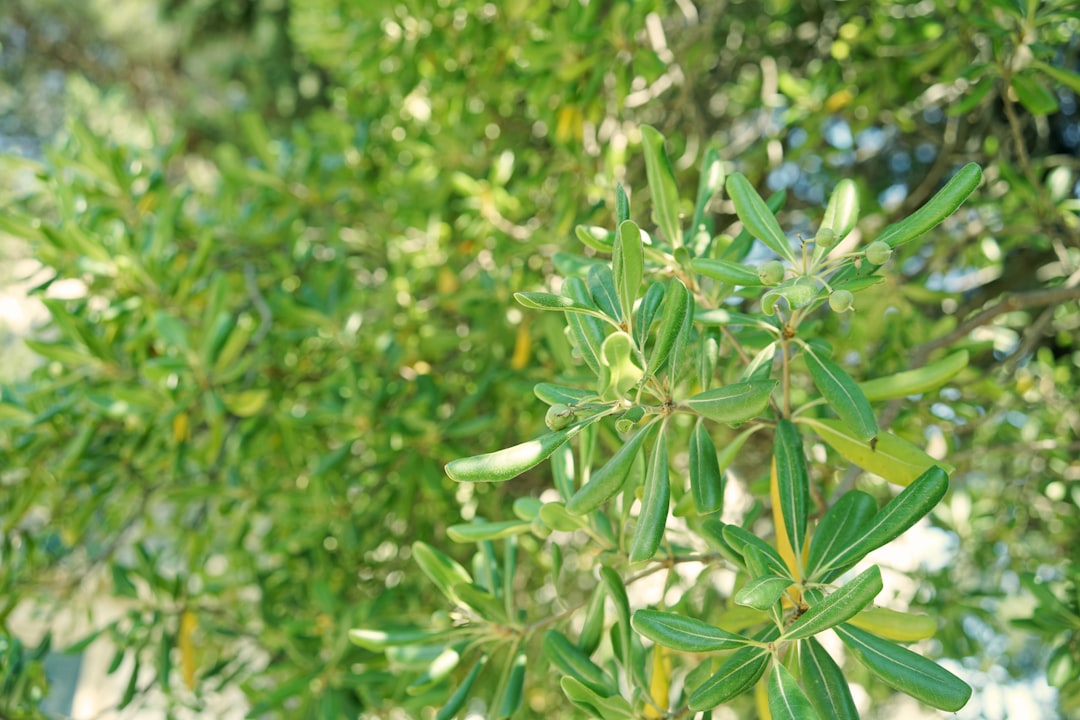
Olive oil, or zeytinyağı, has journeyed across millennia, evolving from a sacred liquid used in ritualistic rites to a staple ingredient that flavors and enriches modern cuisine. Its story is a tapestry woven with ancient customs, regional terroir, and scientific advancement. This article explores the roots of traditional olive oil production, the contemporary culinary landscape, and the art of cold‑pressing—a method that preserves the fruit’s natural essence.
Köklü Gelenekler
In the early civilizations of the Mediterranean, olive trees were considered divine gifts. Ancient Greeks celebrated the Hagia Sophia of the olive, and Roman writers praised its health benefits. Archaeological evidence shows that by the third millennium BCE, olive oil was used for medicinal purposes, lighting, and as a binding agent in mosaics. The process of harvesting and pressing olives remained largely unchanged for centuries.
- Hand‑picking: Workers traditionally selected olives by hand, taking care to choose fruits that were ripe yet firm enough to withstand the crushing process.
- Stone mills: In villages across Greece, Turkey, and Italy, stone mills—known as molinos de piedra or büyük çekiç—were the first step in oil extraction. The mechanical action of stone stones ground the fruit into a paste while preserving its delicate flavors.
- Pressing vessels: After crushing, the paste was transferred to wooden or metal presses, where gravity and manual labor squeezed out the liquid. This method produced what many call “pure” or “traditional” olive oil, unaltered by modern machinery.
These time‑honored techniques reflect a deep respect for the olive tree, its seasonal rhythms, and the hands that cultivate it. The resulting oil carries a flavor profile that is earthy, peppery, and bright—an embodiment of the landscape from which it originates.
Modern Sofralar
Fast forward to the 21st century, and olive oil has secured its place in kitchens worldwide. Its popularity is not merely due to flavor; numerous studies highlight its antioxidant properties, cardiovascular benefits, and versatility in cooking. Today, chefs and home cooks alike use olive oil to:
- Sauté delicate vegetables, keeping their nutrients intact.
- Dress salads, allowing the oil to act as a natural emulsifier.
- Finish dishes with a drizzle, enhancing texture and aroma.
- Serve as a dipping oil for freshly baked bread, an homage to its humble origins.
Contemporary consumption also encourages exploration of sub‑varieties—light, extra‑virgin, pomace—each with distinct sensory attributes. The market has expanded to include single‑origin oils, terroir‑specific blends, and even “aged” olive oils crafted for depth and complexity.
Soğuk Sıkım (Cold Pressing)
Cold pressing, or soğuk sıkım, refers to extracting olive oil at temperatures below 27 °C (80 °F). This technique preserves volatile compounds responsible for aroma, flavor, and nutritional quality. Compared with heat‑assisted methods, cold‑pressed oil retains higher levels of polyphenols and vitamins A, E, and K. The process can be summarized in the following steps:
- Cleaning and sorting: Olives are washed and screened to remove debris and leaves. This prevents contamination and ensures a clean paste.
- Crushing: A mechanical crusher breaks the fruit into a paste. The pressure applied is calibrated to avoid overheating.
- Malaxation: The paste is gently mixed for 20–40 minutes, allowing small oil droplets to coalesce into larger ones.
- Separation: Using a centrifuge or decanter, the oil is separated from the water and solid matter. The temperature is kept low to prevent oxidation.
- Filtration: Finally, the oil is filtered to remove any remaining particulates, resulting in a clear, vibrant liquid.
Cold‑pressed olive oil carries a bright, fruity character—often described as “green apple” or “grassy”—and a mild peppery finish. Its aroma profile is best appreciated in raw or lightly cooked dishes, where heat does not diminish its sensory qualities.

Evde Soğuk Sıkım Yapmak Mümkün mü?
While professional cold‑press equipment is typically found in mills, small‑scale producers and home enthusiasts can experiment with simpler methods. One popular DIY approach uses a pestle and mortar to crush olives, followed by a cheesecloth‑covered strainer to extract the oil. Though the yield is lower, this process still captures a significant amount of the fruit’s essence. For those serious about quality, investing in a small commercial‑grade press—often marketed for “home use”—offers a balance between accessibility and professional output.
Tüketici İçin Seçim Kılavuzu
Choosing the right olive oil can be overwhelming. Consider the following factors:
- Labeling: Look for “extra‑virgin” as it guarantees minimal processing and no chemical treatment. The term “virgin” may indicate lower quality.
- Harvest date: Fresher oils (within the first two years of harvest) exhibit stronger flavors and higher antioxidant levels.
- Origin: Single‑origin oils reflect the terroir of a specific region. Comparing oils from different regions—such as Greek Kalamata versus Spanish Picholine—offers a sensory journey across the Mediterranean.
- Storage: Keep oil in a cool, dark place to prevent oxidation. A dark glass bottle is ideal; avoid plastic containers that can leach chemicals.
Sürdürülebilirlik ve Çevresel Etki
Modern olive oil production must balance demand with environmental stewardship. Key sustainable practices include:
- Organic cultivation: Reducing pesticide use protects soil health and local biodiversity.
- Water management: Efficient irrigation systems minimize water waste, a critical concern in drought‑prone regions.
- Energy efficiency: Utilizing renewable energy sources—such as solar panels—for mill operations cuts carbon footprints.
- Waste reduction: Olive pomace, the residual solid after oil extraction, can be repurposed into biodiesel or animal feed, closing the loop.
Consumers who prioritize sustainably produced oils contribute to healthier ecosystems and support farmers committed to long‑term stewardship.
Sonuç
From the stone‑crushed presses of ancient villages to the sleek cold‑press machinery of today, olive oil remains a living testament to the fusion of tradition and innovation. Its journey—from the heart of Mediterranean landscapes to the modern kitchen—illustrates how culinary heritage can evolve without losing its essence. By understanding the nuances of cold‑pressing and the importance of quality, we can savor each drop as an embodiment of centuries of care, culture, and craftsmanship.
Olive oil is more than a cooking medium; it is a cultural artifact, a health tonic, and a sustainable resource. Embracing its history and modern potential allows us to honor the past while nourishing the future.
Rastgele Yazılar
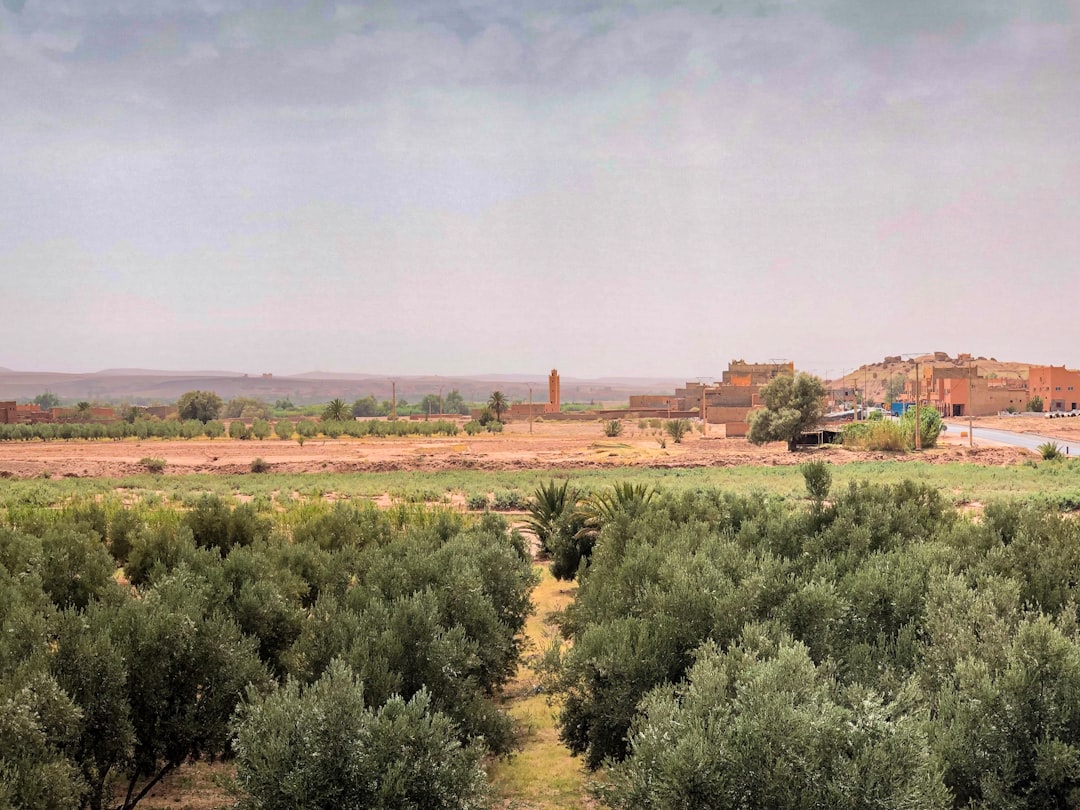
Milas Zeytinyağının Bodur Çeşidiyle Tanışın
Milas’ın Ege incisi zeytinyağı, Bodur zeytin çeşitinin eşsiz yetişme şartları sayesinde benzersiz aromaya ve sağlık değerine sahip. Bodur çesidiyle milas zeytinyağının gizli kaynağını keşfedin.
3 hafta önce

Ege’de Asit Oranlarıyla Tanışmanın Beş Neden
Ege’de asit oranları, Milas zeytinyağının tazeliğini, lezzetini ve besin değerini belirler. Düşük asit, doğal kalite, hafif ekşi tadı engeller ve sağlık faydalarını artırır.
3 hafta önce
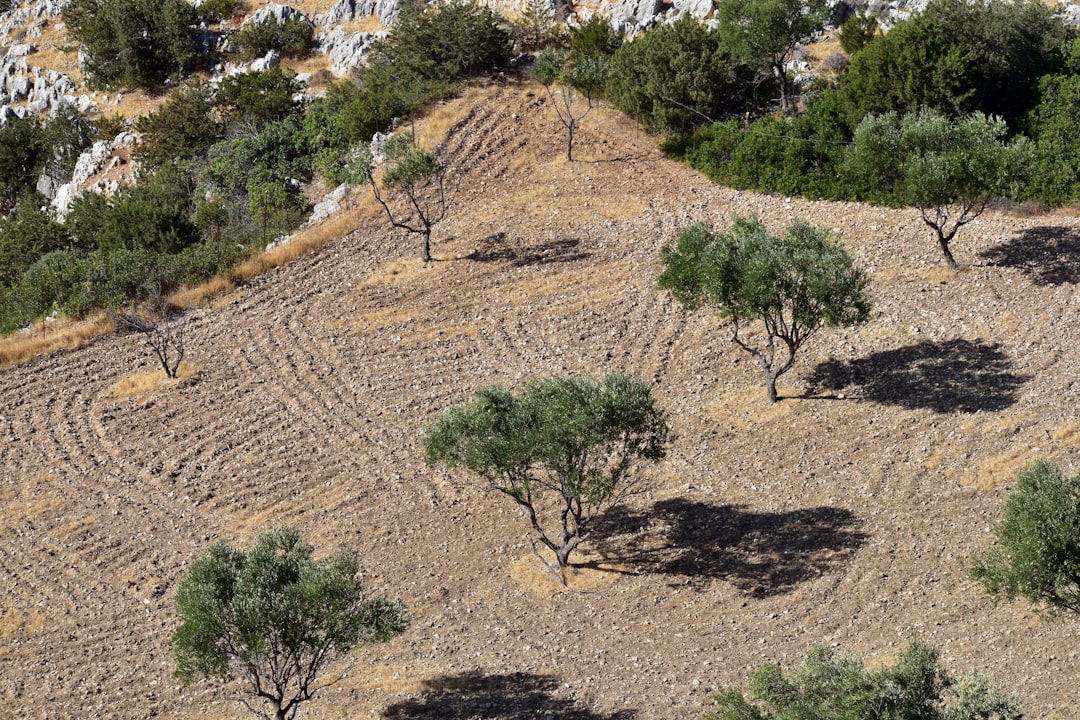
Ege'den Milas'ın Filtreli Olmayan Kaba Zeytinyağı
Milas’ın filtreli olmayan kaba zeytinyağı, doğal aromasıyla sağlık değerini artırıyor. Coğrafi işaretle özgünlüğünü hissedin!
3 hafta önce

Riviera Zeytinyağıyla Lezzetli Hamur İşleri
Riviera Zeytinyağı ile hamur işlerinizi çıtır, aromatik ve sağlıklı hale getirin: tekli doymamış yağ asidi sayesinde düşük sıcaklıklarda bile stabil kalır, lezzet katıp besleyici değerini artırır.
3 hafta önce
NB Yağları İçin Şeffaf Cam Şişe Seçiminin Önemi
Şeffaf cam şişe, Naturel Birinci yağlarının doğal rengi, berraklığı ve kalite algısını güçlendirir. Tüketici güveni artar, raf ömrü uzar, görsel şeffaflıkla ürün güvenilirliği sağlanır.
3 hafta önce
Son Yazılar
Riviera Yağları Şeffaf Cam Şişe Ürün Sunum Teknikleri
Şeffaf cam şişeler, Riviera Yağları'nın doğal rengini ve kalitesini vurgular. Işıklandırma, etiket ve yaratıcı sunum teknikleriyle ürünleri görsel çekicilikle öne çıkarın.
3 hafta önce

Naturel Birinci Yağları Şeffaf Cam Şişede Değeri Artırma
Şeffaf cam şişeler, doğal yağların saflığını ve tazeliğini gözle gösterir, tüketici güveni yaratır ve markayı sürdürülebilir, estetik bir değer katar.
3 hafta önce
Şeffaf Cam Şişeyle Yağ Ambalajında Müşteri Deneyimi
Şeffaf cam şişe, yağların rengini ve berraklığını koruyarak tüketiciye kalite ve tazelik hissi verir. Aynı zamanda geri dönüştürülebilir, çevre dostu bir ambalajdır.
3 hafta önce